



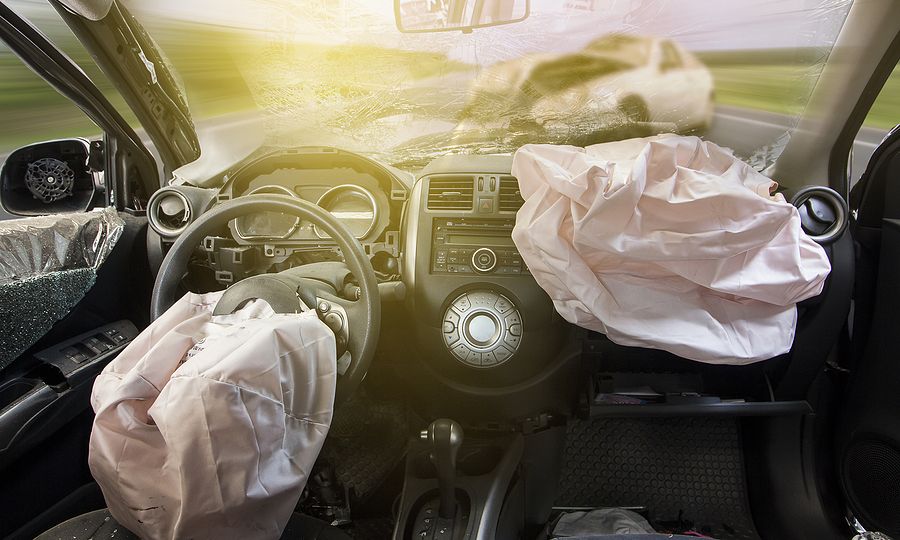
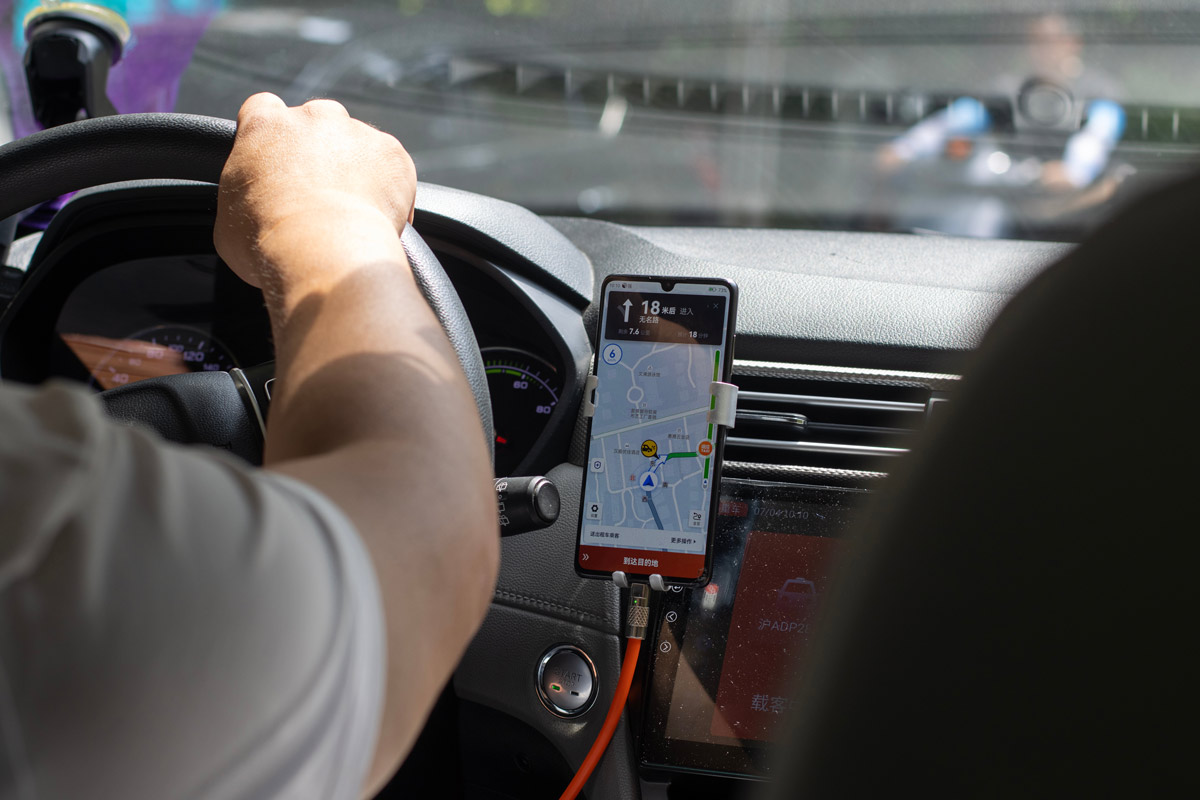
You didn’t ask to be part of an accident. Maybe an Uber driver ran a red light and T-boned your car. Maybe you were crossing the street and got struck by a rideshare vehicle. Either way, you’re now dealing with injuries, medical bills, and a question that few people know the answer to: who actually pays for this?
The honest answer is: it depends. But understanding how it works puts you in a much stronger position to protect yourself after a devastating accident that involves a rideshare vehicle.
What Happens If an Uber Driver Hits You?
What happens if an Uber driver hits you is one of the most common questions we hear after a rideshare crash, and understandably so. Unlike a standard car accident, where you likely will only deal with one driver and one insurance policy, a collision involving an Uber driver can pull in multiple layers of coverage depending on a single critical factor: what the driver was doing in the app at the moment of the crash.
Uber drivers are classified as independent contractors, not employees. That distinction matters because it affects how liability is assigned and which insurance policy responds to your claim. There are essentially three scenarios:
1. The Driver’s App Was Off
If the Uber driver was not logged into the app at the time of the collision, they were operating as a private individual. In that case, their personal auto insurance is the only coverage available—and Ohio’s minimum liability limits may not come close to covering serious injuries.
2. The Driver Was Logged In But Waiting for a Ride Request
When a driver is active on the app but hasn’t accepted a trip yet, Uber provides limited contingent liability coverage—up to $50,000 per person for bodily injury and $100,000 per accident. This kicks in only if the driver’s personal insurance denies the claim.
3. The Driver Was En Route to a Pickup or Actively Transporting a Passenger
This is where Uber’s $1 million commercial liability policy applies. If you were hit during an active trip or while the driver was heading to a pickup, this coverage is available for your injuries and damages.
Knowing which phase applies to your situation is one of the first things that needs to be established in any rideshare accident claim.
Uber Driver Accidents: Why These Cases Are More Complicated Than They Look
Uber driver accidents and the claims that follow don’t follow the same straightforward path as a typical car accident claim in Ohio. Insurance companies, both the driver’s personal insurer and Uber’s carrier, have strong financial incentives to minimize what they pay out. In practice, that often means each side pointing at the other while you’re left waiting for answers.
Uber’s insurer may argue the driver wasn’t truly “on a trip.” The driver’s personal insurer may argue the app was active and therefore Uber is responsible. As an injured party caught in the middle, you can find yourself in a coverage dispute that has nothing to do with the fact that you were hurt.
This is why documenting the driver’s app status immediately after the crash matters so much. Screenshot the ride in your app if you were a passenger, note the time of the collision, and ask for a copy of the police report: all of this becomes important evidence when establishing which insurance policy should respond.
What Insurance Actually Looks Like for Rideshare Accidents in Ohio
Ohio is an at-fault state, which means the driver who caused the accident is responsible for covering your damages. But in a rideshare accident in Ohio, you may have access to more than one source of compensation depending on how the crash occurred:
- If you were a passenger in the Uber when the crash happened, you are seldom considered at fault. Uber’s commercial policy should provide coverage for your medical expenses, lost wages, and pain and suffering—assuming the driver was on an active trip.
- If you were driving your own vehicle and an Uber driver hit you, you’ll file a claim against the at-fault driver’s applicable insurance, either their personal policy or Uber’s commercial coverage, depending on app status. If the at-fault driver is underinsured, your own uninsured/underinsured motorist coverage may help bridge the gap.
- If you were a pedestrian or cyclist, the same framework applies. The driver’s liability coverage, personal or commercial, is the first place to look for compensation.
One thing that catches many people off guard: even if Uber’s $1 million policy technically applies to your situation, that doesn’t mean you will automatically be paid that amount. On the contrary, insurers will still scrutinize the severity of your injuries, investigate fault, and look for any reason to reduce the payout significantly.
What to Do After a Car Accident With Uber
If you’ve been involved in a car accident with Uber, the steps you take in the hours and days immediately afterward can have a significant impact on the outcome of your claim:
- Seek Medical Attention Right Away: Even if you feel okay at the scene, some injuries, like whiplash, concussions, or soft tissue damage, don’t become apparent until hours or days later. A prompt medical evaluation creates a record that ties your injuries to the accident.
- Document Everything at the Scene: If you’re able, take photos of vehicle positions, damage, road conditions, and any visible injuries. Get the names and contact information of witnesses. If you were a passenger, screenshot your ride receipt in the Uber app before you close it.
- Get a Police Report: In Ohio, a police report provides an official record of the crash, including the time, which is essential for establishing the driver’s app status.
- Do Not Talk to the Insurance Company: Don’t give a recorded statement to any insurance adjuster before speaking with someone who can advise you on your rights. What you say in those early conversations can be used to minimize your claim later.
Injured By an Uber Driver?
Rideshare insurance rules in Ohio are complicated by design, and insurance companies are counting on you not knowing how they work. At Chester Law Group, we’ve helped injured Ohioans navigate exactly these kinds of Uber accident claims, and we understand how to identify every available source of compensation for your injuries.
If you or someone you love was hurt in a rideshare crash, we’re here to answer your questions and help you understand your options. Contact Chester Law Group today for a free consultation. There’s no obligation, and no cost to you unless we recover compensation on your behalf.