

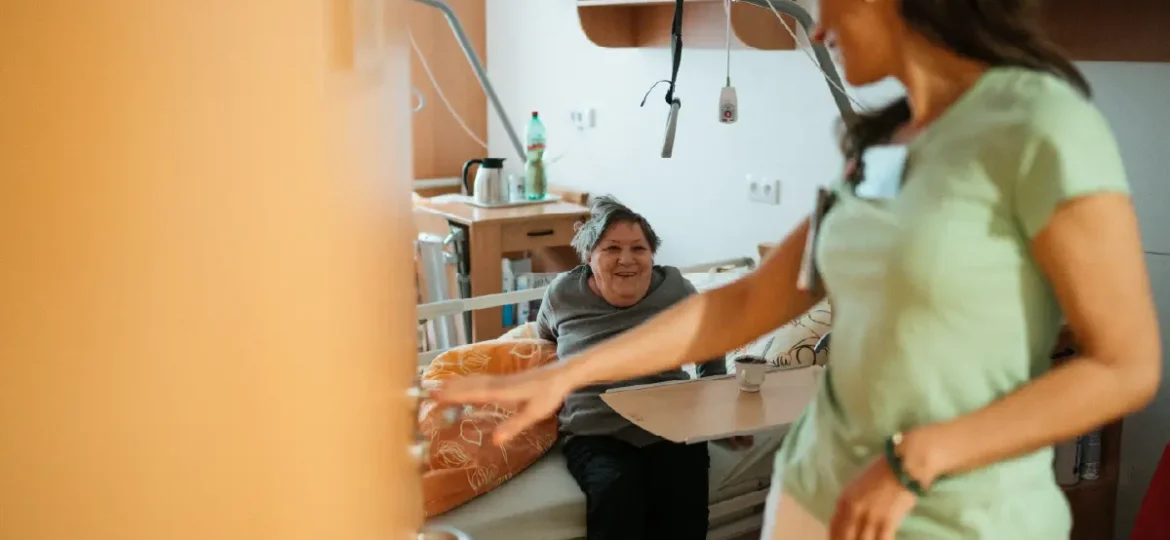


Placing a parent or loved one into a nursing home is one of the hardest decisions a family can make—and it always comes with the hope that trained staff will provide safe, attentive, and compassionate care.
Unfortunately, neglect inside long-term care (LTC) facilities is more common than most families realize, affecting an estimated 5 million seniors in the U.S. every year. It can be subtle at first, hiding behind excuses about a resident’s age or health condition.
Knowing the signs of nursing home neglect can help you take action early, before inadequate care leads to a life-threatening emergency. In this guide for families, we break down what red flags to look for—and what steps to take if something feels wrong.
Why Early Detection is Important
Neglect rarely announces itself. Instead, it shows up in small changes: a missed meal here, an unanswered call light there.
Over time, these small failures can add up to serious harm, including infections, falls, malnutrition, and worsening chronic conditions.
Because residents may be unable to advocate for themselves due to cognitive decline, illness, or fear of retaliation, family members are often the first line of defense. Regular visits and careful observation matter more than most people expect.
Physical Signs of Nursing Home Abuse and Neglect
Physical warning signs are often the easiest to spot, especially if you know what to look for during visits to your loved one’s long-term care facility. Watch for:
- Unexplained bruises, cuts, or fractures that staff can’t clearly account for
- Bedsores (also called pressure ulcers), which typically develop when a resident isn’t repositioned often enough
- Sudden or unexplained weight loss, which may point to malnutrition or dehydration
- Poor personal hygiene, such as dirty clothing, unwashed hair, or long, unclean nails
- Soiled bedding or clothing left unchanged for extended periods
- Signs of dehydration, including dry skin, cracked lips, or confusion
- Medication errors, such as missed doses, incorrect dosages, or over-sedation
Some physical issues develop gradually and may be mistaken for normal aging, but could actually be signs of neglect or abuse. These can include frequent urinary tract infections (UTIs), repeated falls, or a rapid decline in mobility. If your loved one is experiencing any of these, don’t assume this is normal.
Emotional and Behavioral Signs of Nursing Home Neglect
Not all warning signs are physical. Emotional and behavioral shifts can be just as telling, and sometimes even appear before physical symptoms. Signs of nursing home abuse and neglect in this category typically include:
- Sudden withdrawal from family, friends, or favorite activities
- Increased anxiety, agitation, or fearfulness
- Visible fear or discomfort around specific staff members
- Unusual silence or reluctance to speak during visits
- Signs of depression, including changes in sleep or appetite
- Unusual behaviors that weren’t present before
If a normally social, talkative family member becomes distant or seems on edge, it’s worth asking questions.
Nursing Home Red Flags to Watch Out For
In addition to observing your loved one for signs of neglect or abuse, pay close attention to the facility during your visits. These are some warning signs that a nursing home might be understaffed, poorly managed, or out of compliance with healthcare regulations:
- Call lights that go unanswered for long stretches of time
- Residents being left unattended for extended periods
- Strong odors of urine or feces in common areas or rooms
- Dirty linens, floors, walls, or bathrooms
- Broken or missing safety equipment, like bed rails or grab bars
- Residents who appear improperly dressed for the weather or season
Other Red Flags: Documentation and Communication
Neglect doesn’t always show up as broken equipment or unwashed bedding. It can also surface in how a facility communicates—or refuses to communicate—with a resident’s family.
Be cautious if you notice any of these red flags during your interactions with your loved one’s care facility:
- Inconsistent or vague explanations for resident injuries
- Staff who seem reluctant to answer specific questions
- Missing or incomplete medical records
- Sudden, unexplained changes to a care plan
- Reluctance to allow private visits or video calls
- Delays in returning calls or messages from family members
What to Do if You Suspect Nursing Home Abuse
If something feels off, trust your instincts. Here’s how to respond if you’re concerned about potential nursing home abuse or neglect:
- Document everything. Take photos of injuries, unsanitary conditions, or anything else that concerns you, and write down dates and details.
- Talk to staff and administration. Ask direct questions about what happened and how it’s being addressed.
- Request medical records. Facilities are required to provide access to a resident’s care documentation.
- Contact the Ohio Department of Health or a long-term care ombudsman. These agencies can investigate complaints and facility violations.
- Consider moving your loved one. It’s important to act swiftly if the facility is unresponsive or the situation appears urgent.
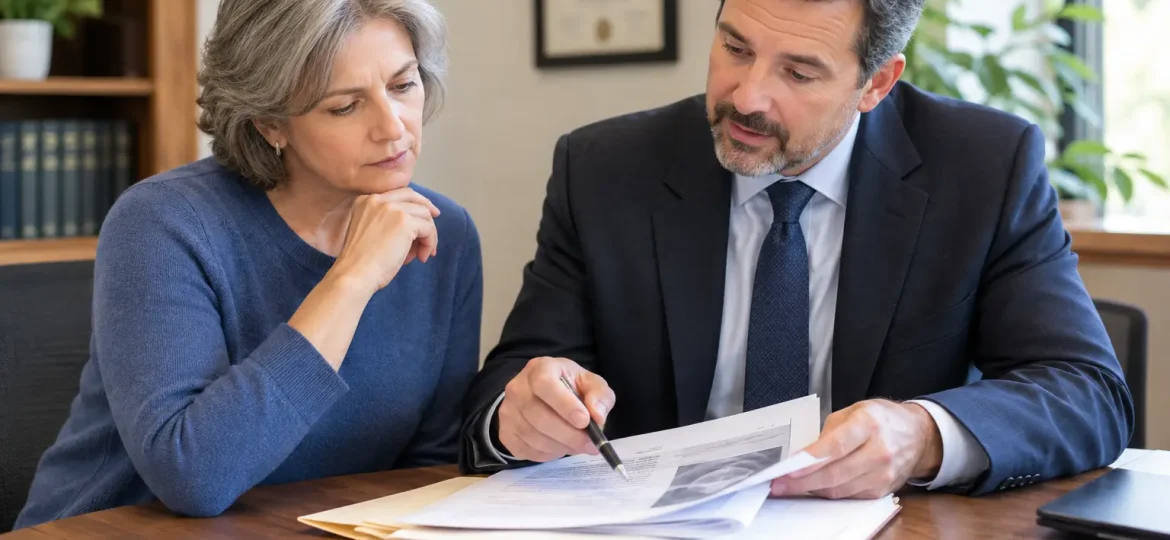
- Speak with an attorney. An experienced nursing home abuse lawyer can help you understand whether the facility’s actions rise to the level of legal neglect.
When to Contact a Nursing Home Neglect Law Firm in Ohio
Recognizing the signs of nursing home neglect is the first step. Knowing what to do next is just as important.
If you suspect your loved one has suffered harm due to inadequate care, Chester Law Group is here to help. As a trusted nursing home neglect law firm in Ohio, we investigate suspected abuse and neglect, review medical and facility records, and fight to hold negligent facilities accountable.
Contact us at (800) 218-4243 or reach out online for a free consultation. We’ll listen to your concerns, explain your legal options, and help you take the next step toward protecting your loved one.